
Description
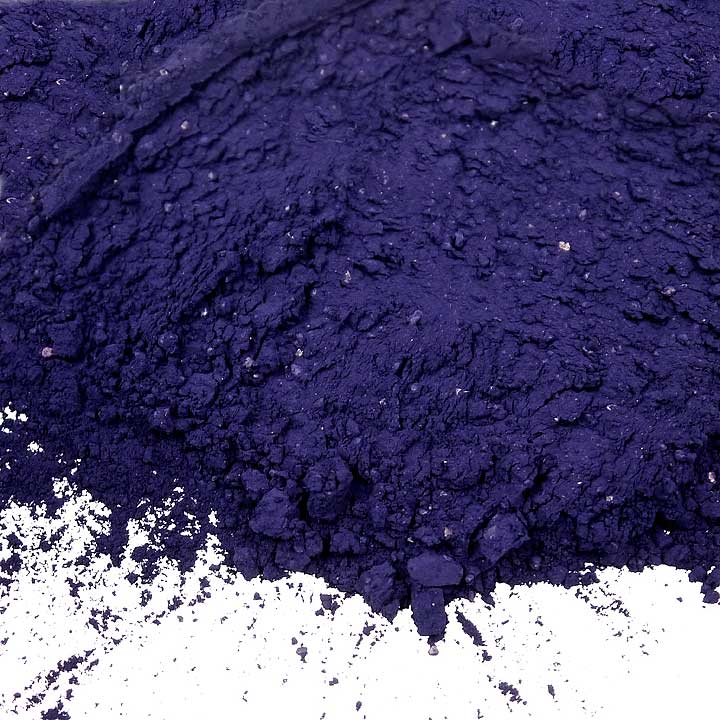
Indigo (Indigofera tinctoria) Indigo(NL)
Paints: Blue shades
Grand-teint
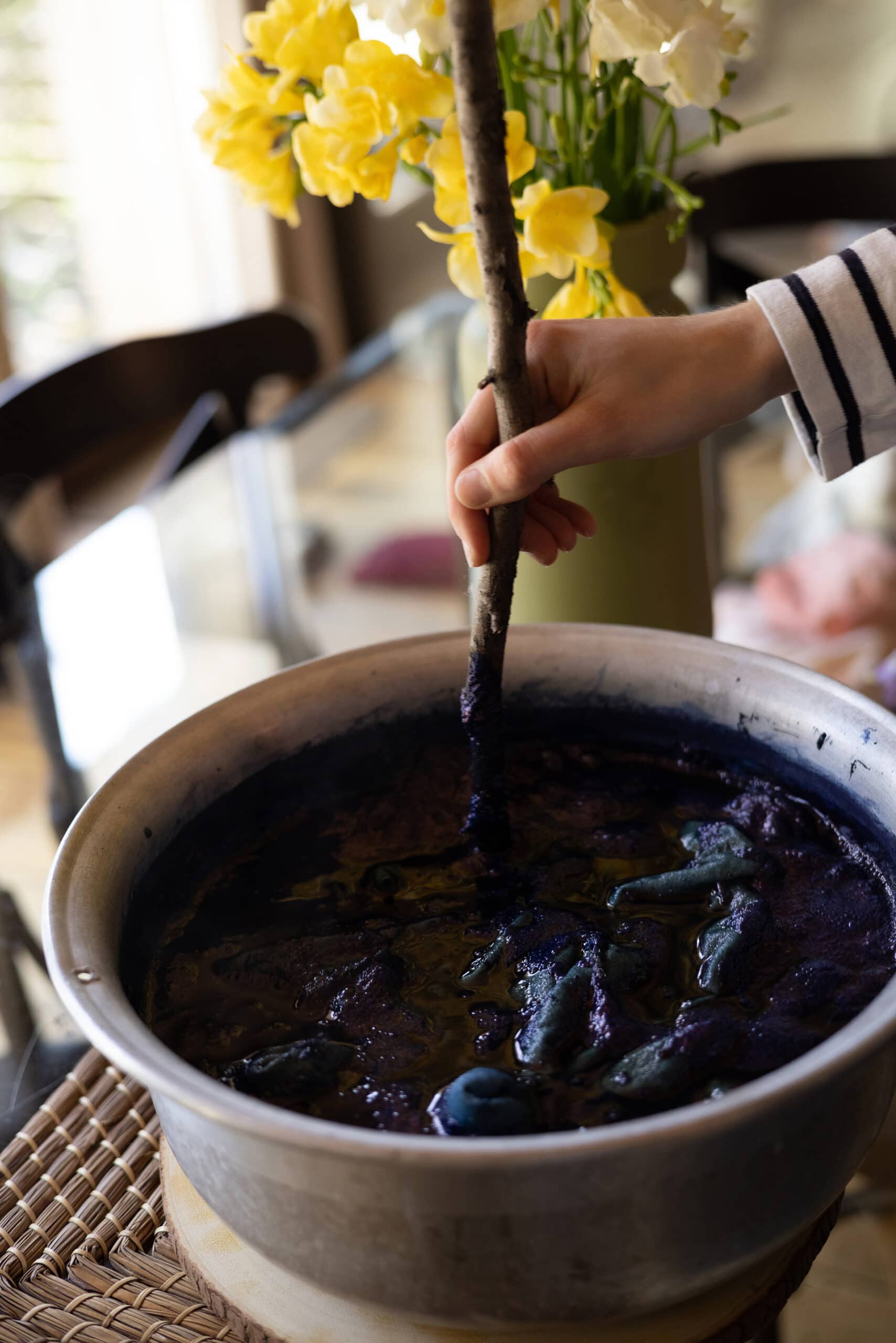
Indigo Vat
For thousands of years indigo has been used to dye various fibres in the most beautiful shades of blue. In the Netherlands, woad (Isatis tinctoria) used to be cultivated for making blue dye, but in the 16th century woad was superseded by indigo from the Dutch East Indies and other Asian countries.
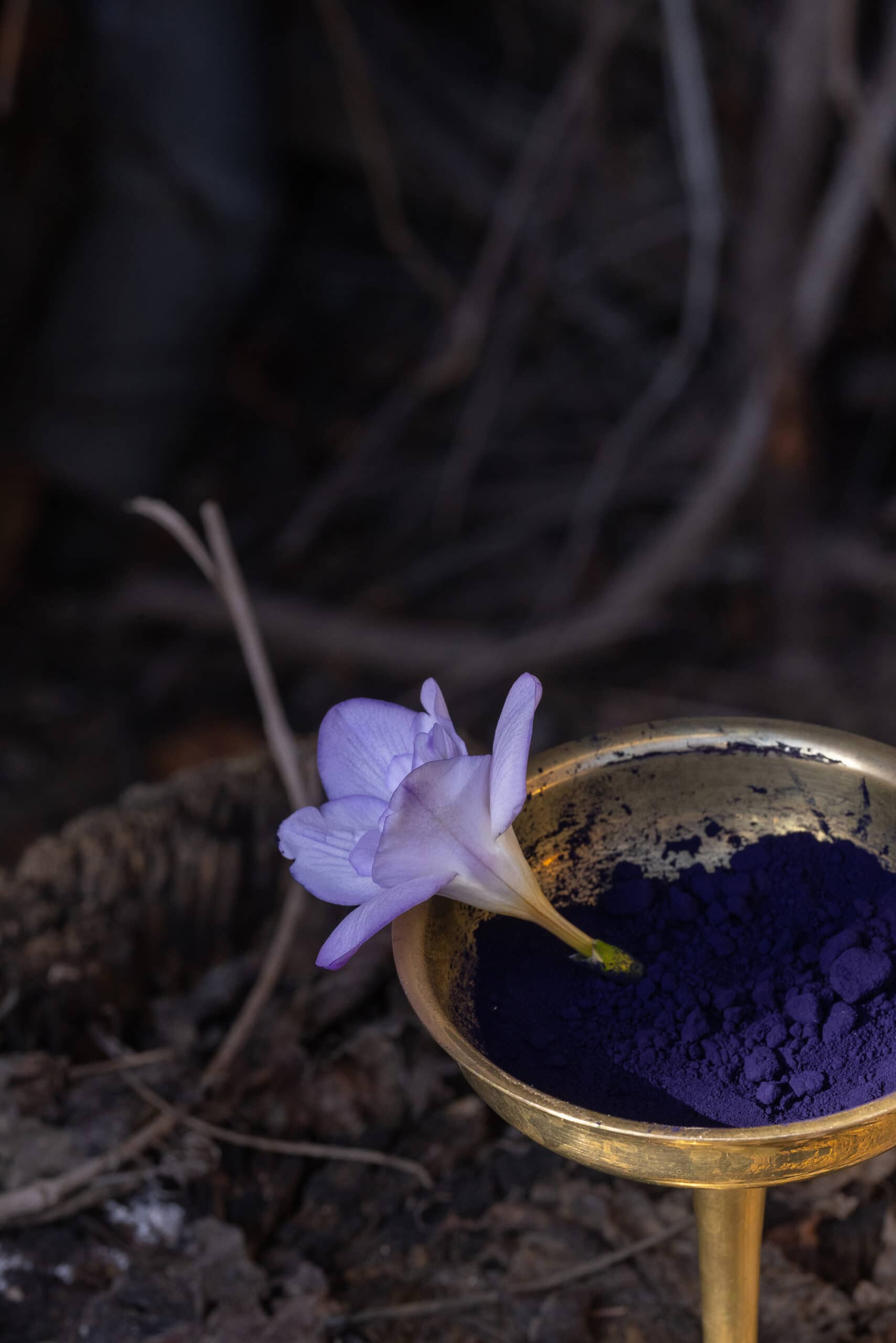
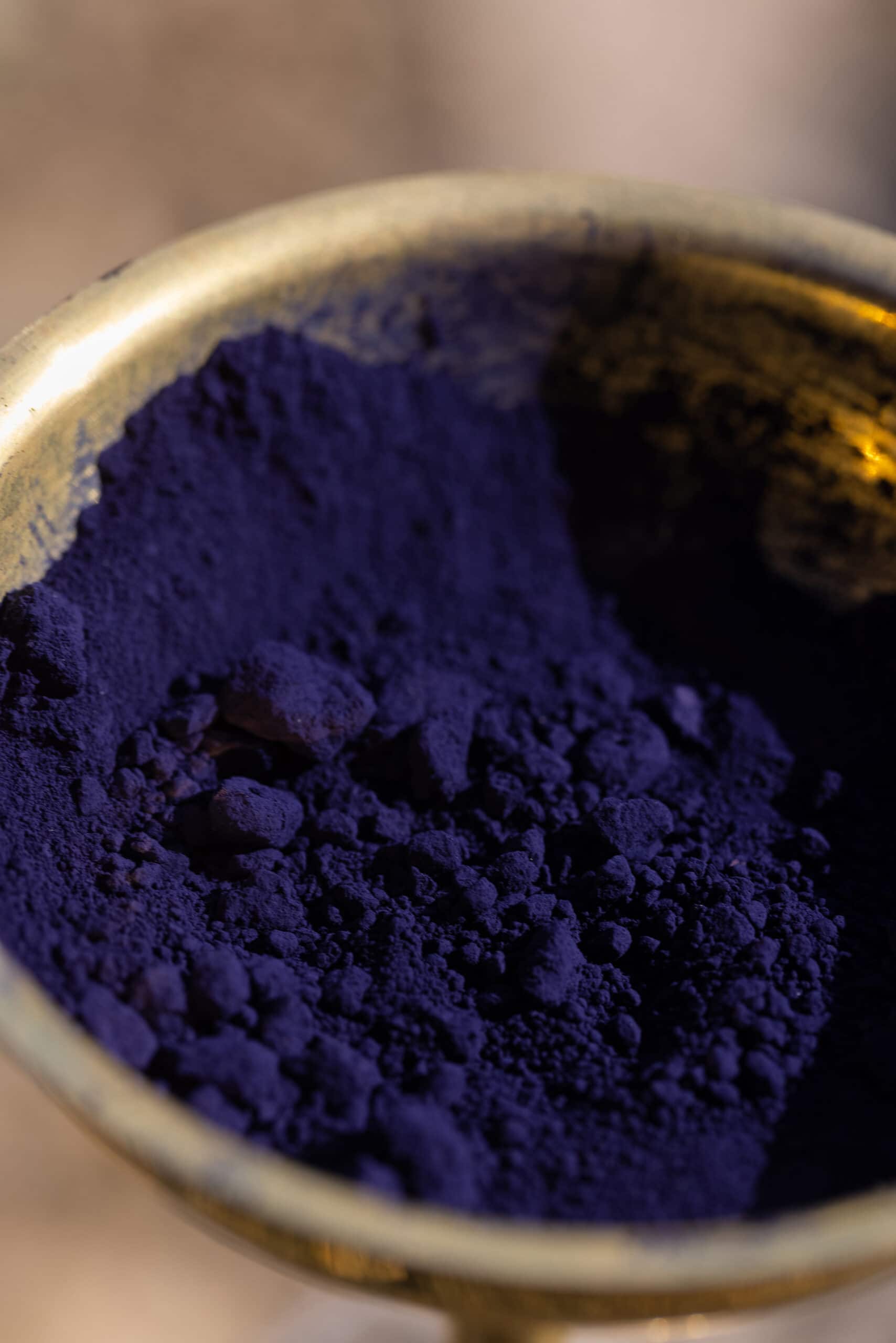
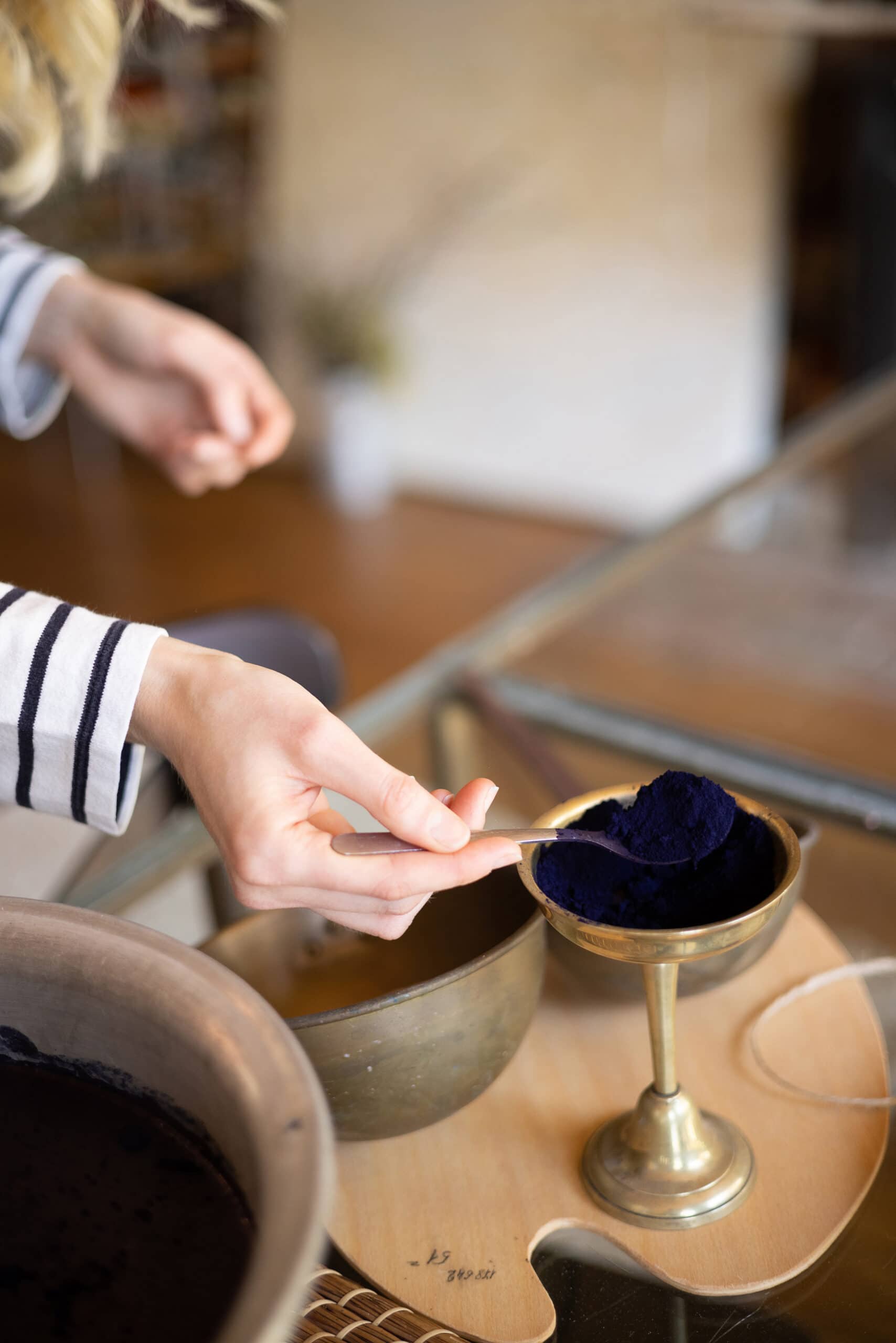
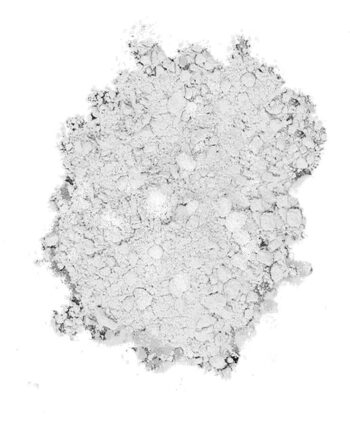
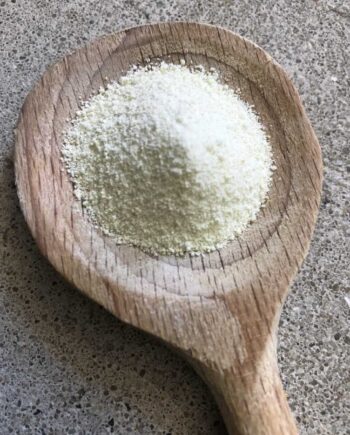
The indigo dye is extracted from the fresh indigo leaves and the resulting indigo cake is processed into powder and used to make the dye tubs.
Indigo is a substantive dye, which means that you do not need to pre-dye.
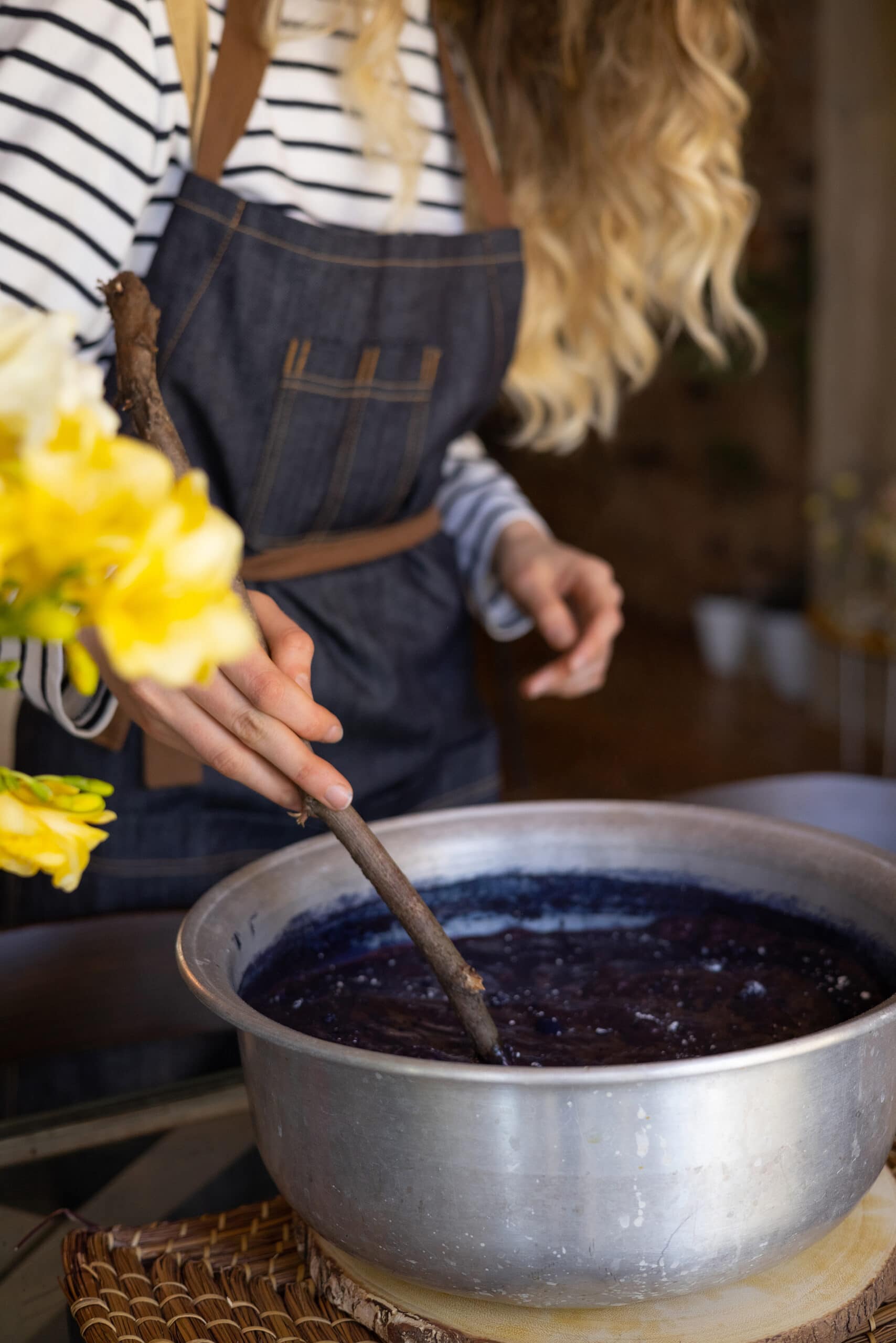
Indigo does not dissolve in water. To be able to dye with it, the oxygen has to be removed, also called ‘reducing’.
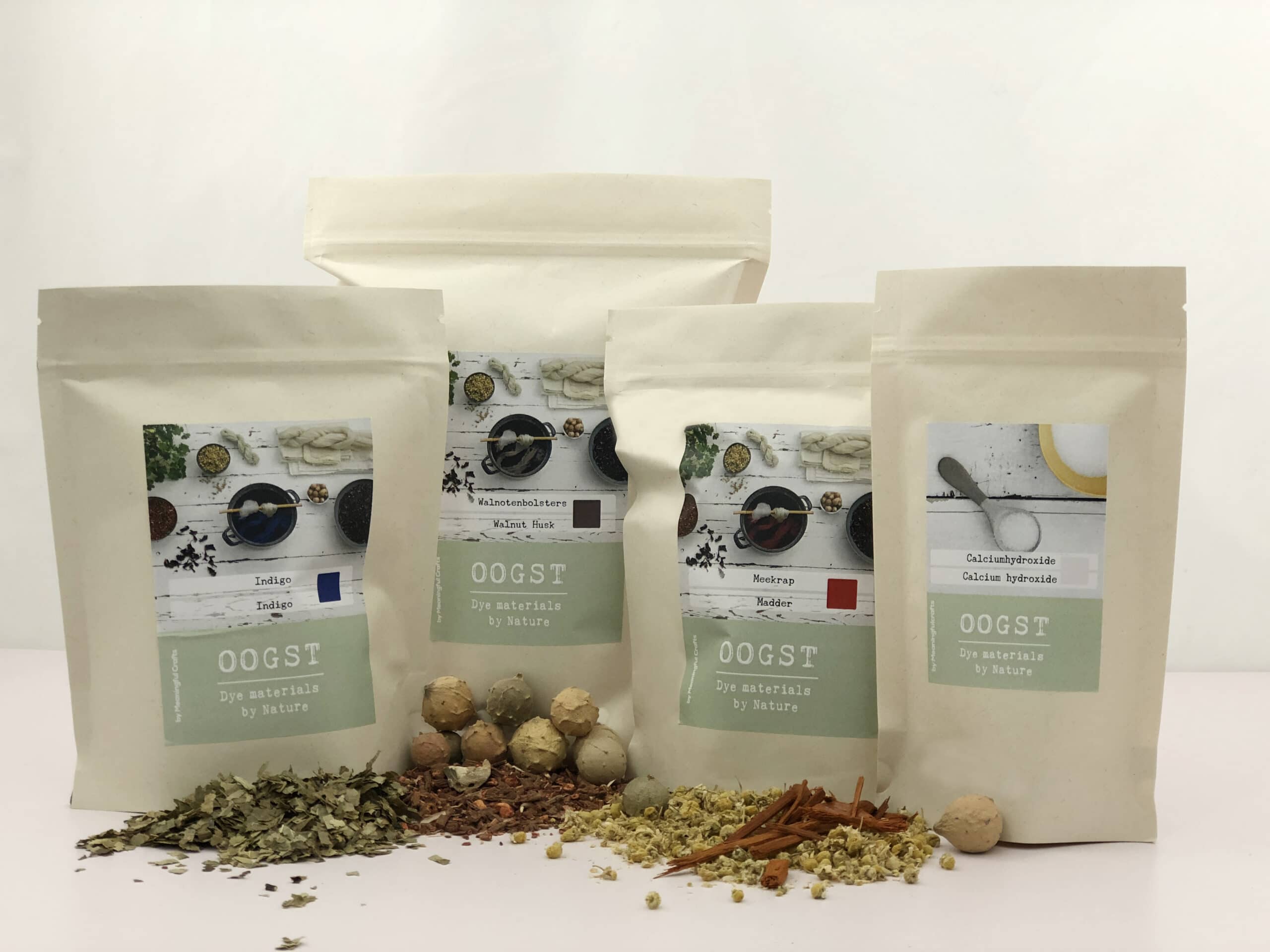
This is done by first making the dye bath alkaline with calcium hydroxide and then reducing it with fructose. The indigo then dissolves and can bond to the fibres.
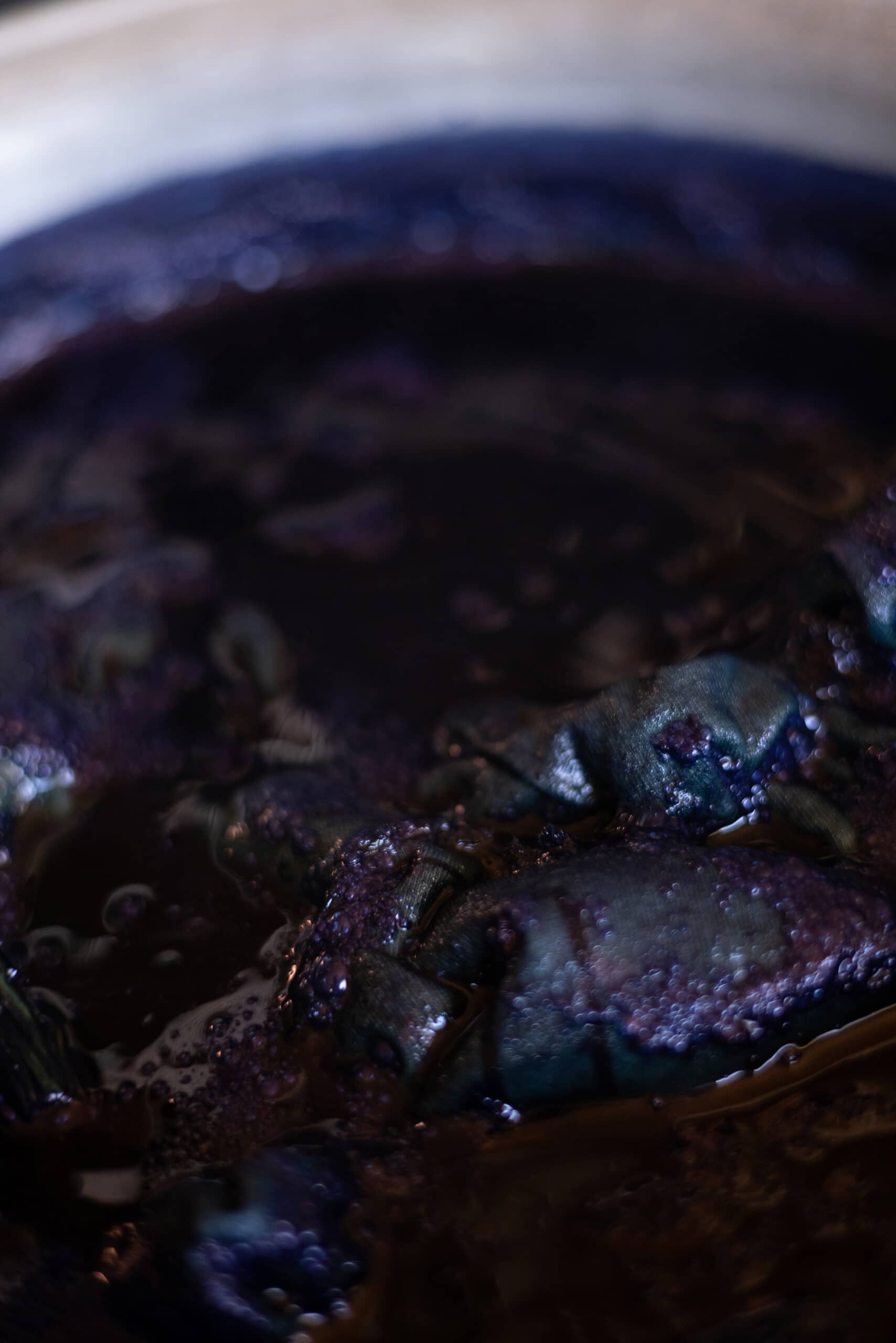
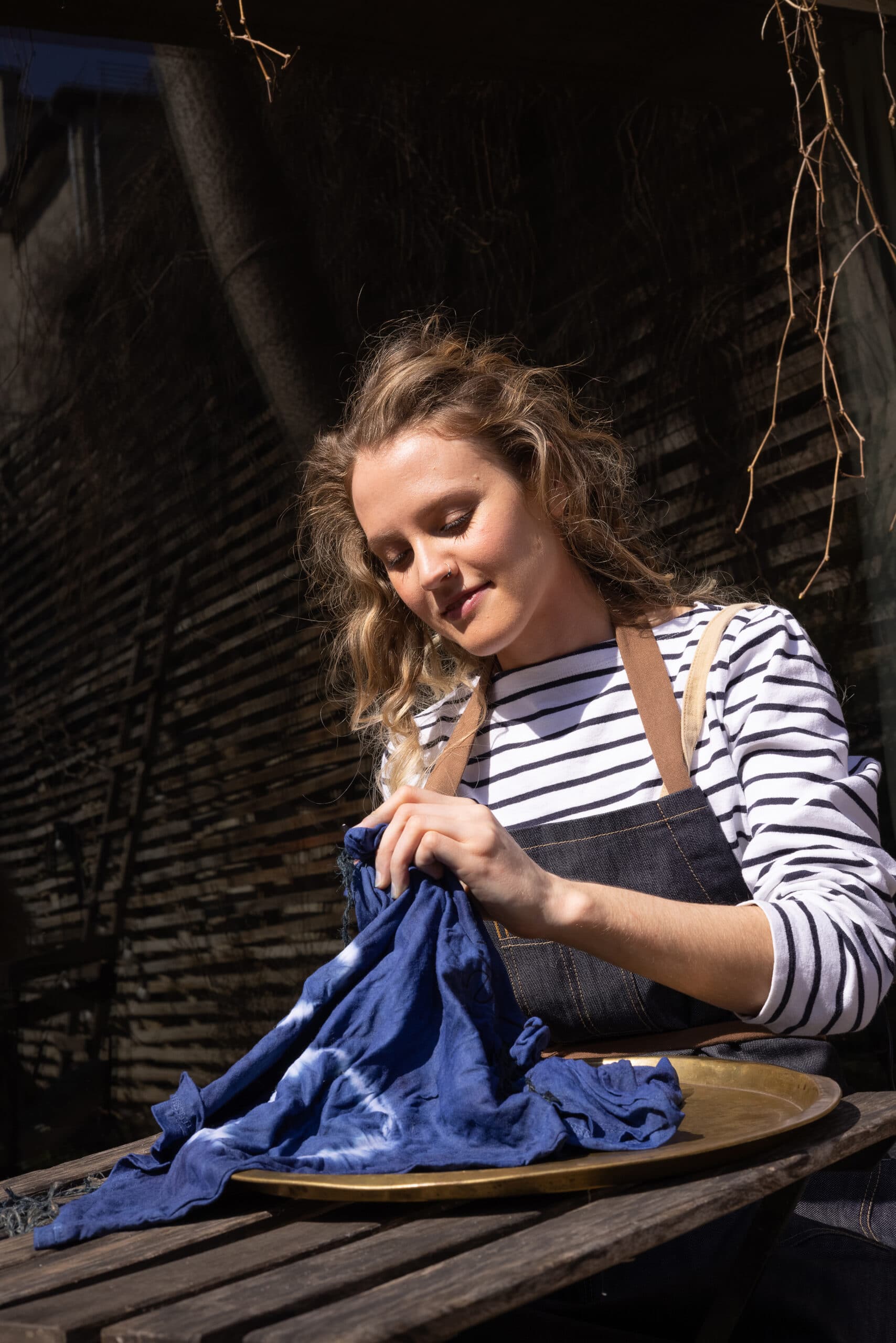
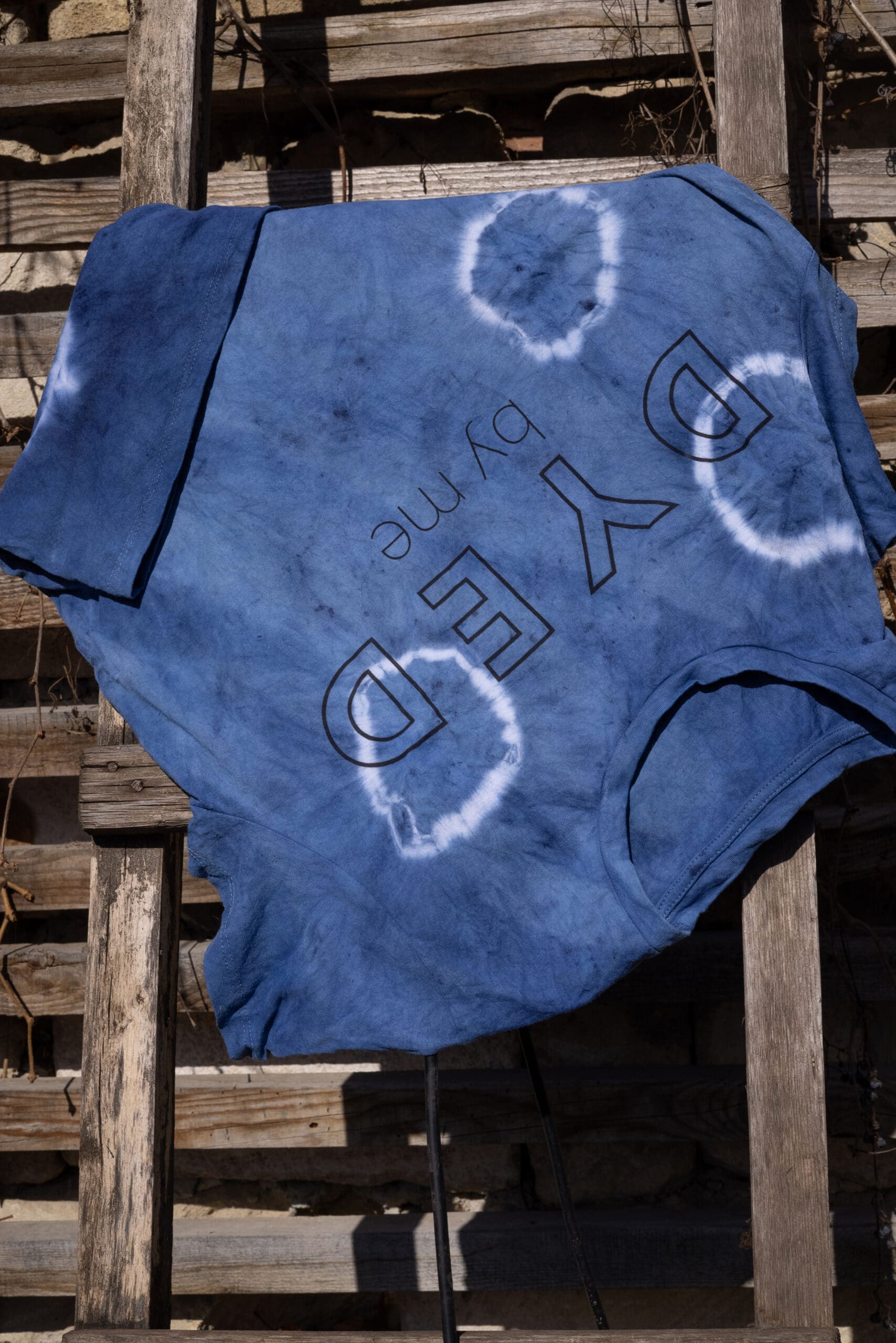
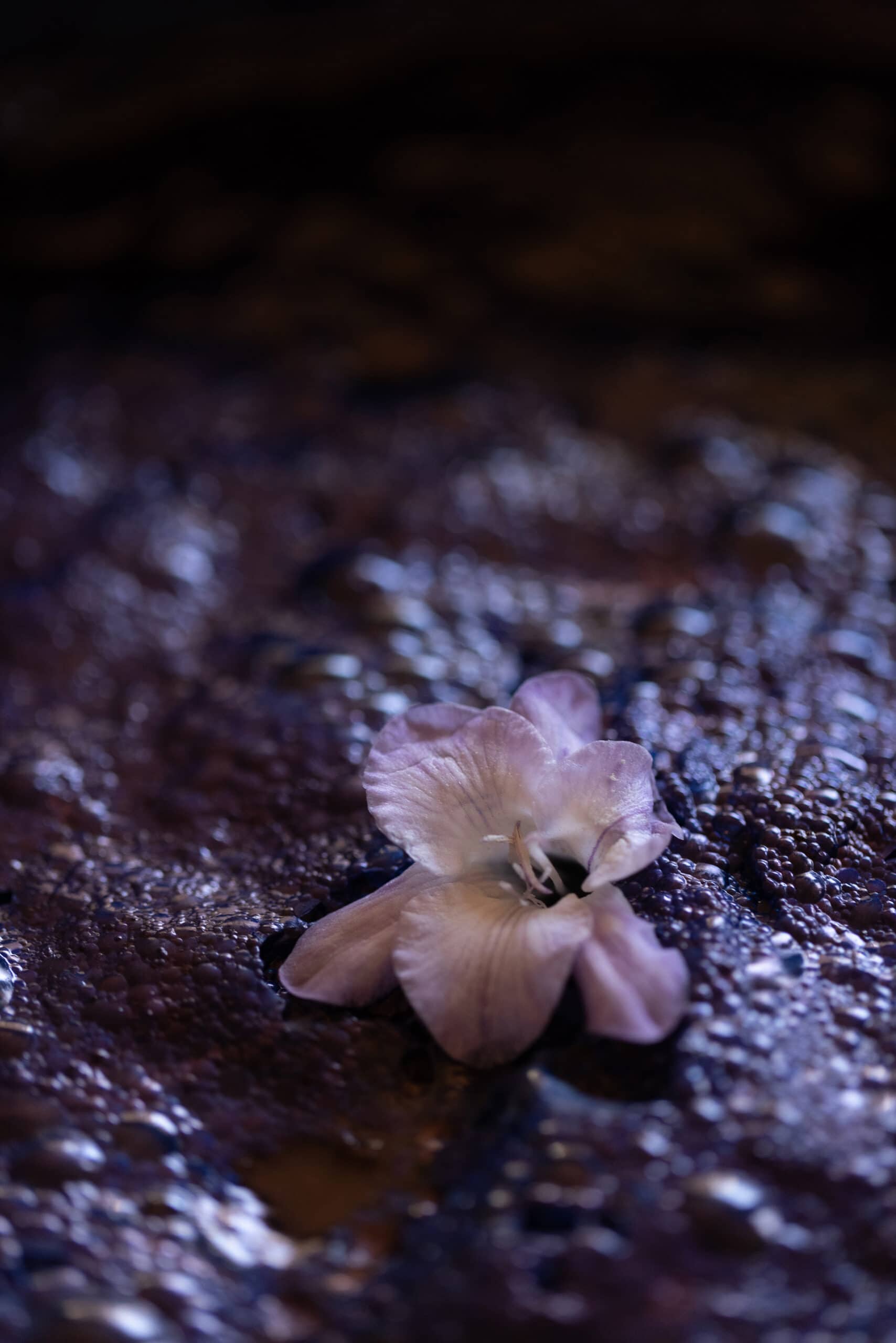
Dyeing with Indigo is magical. Due to the reduction, the blue colour disappears as soon as the fibres are in the dye bath. When you take them out and oxygen gets to them, the oxidation process starts. Before your eyes, the colour slowly changes from green to a beautiful shade of blue.
Facts
Indigo…
…is seen as the ‘King’ of dyes.
This is one of the natural dye products described in the book Eco-verf by Anja Schrik.
Reviews
There are no reviews yet.